Chances are high that you know someone or have heard about someone who has suffered a stroke. Perhaps the stroke’s lasting effects are visible in how they hold their arm or in their now limited ability to navigate their surroundings. Studies indicate that regular exercise and a balanced diet can decrease your risk of experiencing a stroke. But do you know the steps to take after a stroke? Physical therapy offers a comprehensive approach to effective stroke rehabilitation that can help improve your overall well-being and independence.
At Unified Rehabilitation, we have extensive experience supporting and helping stroke survivors regain their abilities and confidence through physical therapy. In this post, we’ll learn the risk factors and challenges that accompany a stroke. Then, we’ll talk about an uplifting example of success for a patient who was determined not to let a stroke keep him down.
Discover effective rehabilitation to get you back on track after a stroke.
The Need For Stroke Rehabilitation Strategies
Stroke is a medical condition that occurs when the blood supply to part of the brain is interrupted or reduced, preventing brain tissue from getting oxygen and nutrients. It only takes minutes for brain cells to die, and it is the leading cause of long-term disability.
Strokes can be caused by blocked arteries or leaking or bursting of a blood vessel. Risk factors for stroke include:
- High Blood Pressure: This is the leading cause of stroke and requires vigilant monitoring.
- Tobacco Use
- Heart Disease: Conditions like coronary artery disease, heart valve disease, and irregular heartbeats.
- Diabetes
The lasting effects of a stroke vary depending on the individual. Recovery can be a long and challenging journey for some stroke survivors. Common challenges related to recovery from stroke include:
- Limited Mobility and Coordination: Difficulty walking, balancing, and performing daily tasks.
- Speech and Swallowing: Challenges with eating, drinking, and communicating.
- Cognitive Impairments: Reduced memory, attention, and problem-solving skills.
- Emotional Changes: Depression, anxiety, and changes in behavior.
- Sensory Disturbances: Altered pain, temperature sensitivity, and numbness.
A Recovery Story
A patient, we’ll call him Mr. Nate, is a man in his mid-50s who suffered a stroke. He noticed a sudden onset of dizziness and weakness on his left side while at work. Fortunately, his coworkers took quick action, and he was transported to the hospital shortly after the symptoms began.
A stroke usually occurs on one side of the brain. Each hemisphere of the brain controls movement and function on the opposite side of the body. So, when Mr. Nate’s stroke occurred on the right side of his brain, it led to weakness and loss of coordination on the left side of his body. Mr. Nate struggled with basic tasks like walking and using his left hand. His challenges with balance and coordination resulted in a steep reduction in his independence.
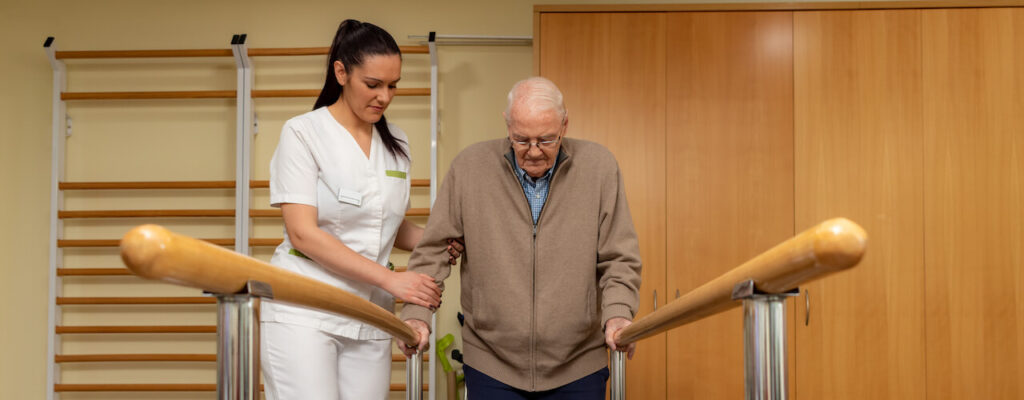
Mr. Nate’s comprehensive rehabilitation program focused on regaining strength and coordination while adapting to new movements and abilities. Our physical therapist focused on targeted exercises designed to strengthen Mr. Nate’s muscles and enhance his movements.
- Targeted Exercises: We focused on restoring his strength and function, especially on the weakened left side.
-
- Resistance exercises
- Stretching tight muscles
- Improving his range of motion
- Practice functional movements and daily self-care tasks to further enhance his control
- Balance Training: His new limitations heightened Mr. Nate’s fear of falling, which led to an even higher risk of him actually experiencing a fall. We worked on his static and dynamic balance, walking on uneven surfaces, and how to navigate obstacles within his walking path.
- Gait Training: Mr. Nate’s loss of balance and coordination affected his ability to control his muscles and limbs when navigating his surroundings.We used specialized drills to steadily increase distances and speeds
Over time, Mr. Nate’s hard work paid off. His morale soared as he regained the independence needed to engage in various activities and manage his daily self-care routines.
Stroke Rehabilitation and More with Unified Rehabilitation
If you or someone you know has suffered a stroke, don’t hesitate to contact us. Our dedicated team of therapists can help you discover effective stroke rehabilitation strategies designed specifically for your needs and goals.