Gain Independence with Physical Therapy Stroke Rehabilitation for Balance
For many of us, walking and talking are so easy we can literally do them in our sleep. Yet for some, particularly survivors of stroke, the sudden loss of basic skills to move freely and independently is a harsh reality. Nearly two-thirds of stroke survivors face difficulties with balance and mobility, which can lead to a decreased quality of life. Fortunately, physical therapy is a great resource for those seeking stroke rehabilitation for balance training.
Through a combination of specialized exercises and techniques, it is possible to regain strength and coordination for renewed independence. At Unified Rehabilitation, we understand the need and drive our patients have to improve – and we support them every step of the way.
Learn how balance training can support independent living through the experience of one of our patients
The Importance of Stroke Rehabilitation for Balance
Stroke is a medical condition that occurs when the blood supply to part of the brain is interrupted or reduced, preventing brain tissue from getting oxygen and nutrients. It is a condition that can lead to significant physical and cognitive challenges that often result in the loss of mobility and independence.
Strokes result from an obstruction of blood flow to the brain caused by a clot or a ruptured blood vessel. Rick factors include:
- High Blood Pressure
- Smoking
- Diabetes
- Obesity
- High Cholesterol
- Family History of Stroke
Stroke survivors may experience a wide range of physical and cognitive difficulties depending on which part of the brain is affected. After a stroke, the brain may have difficulty processing information from the eyes, muscles, and joints, which can throw off a person’s balance. This is where stroke rehabilitation for balance plays an important role in recovery.
Balance training challenges the body’s ability to maintain its center of gravity, ultimately improving stability and confidence in movement. Through targeted exercises, physical therapy can help retrain the brain to understand and respond to these signals more effectively.
Finding the Right Balance
From his very first day with us, “Mr. G’s” determination was clear. He wanted his independence back. Before his stroke, he loved to hike and play with his grandchildren. So, it was easy to understand his frustration at being left with a weak left side and a fear of falling due to his inability to walk and balance like he used to.
Our team designed a personalized rehabilitation program focused on strengthening and balance exercises tailored to his specific challenges. Mr. G regained his confidence and functional abilities through a combination of exercises in our clinic and at home.
- Navigating Obstacles: To help Mr. G improve his ability to navigate various terrains and avoid falls, we introduced exercises that involve stepping over obstacles. Varying height and size as he progressed helped simulate real-world challenges he might face, like curbs in a parking lot or toys his grandchildren leave on the floor.
- Sit-To-Stand Transitions: We worked on exercises focused on this specific transition to strengthen his thigh and buttock muscles, which are crucial for safety when performing this action. This also improved his ability to shift his weight during movement, which carries over into various skills necessary for independent living.
- Uneven Surfaces: The ability to safely navigate uneven surfaces like steps and change in flooring is essential to reduce the risk of falls. We incorporated balance training on various surfaces like balance pads and foam mats to simulate uneven ground. Repeating these exercises helped improve Mr. G’s proprioception and helped him feel more confident navigating both indoors and outdoors.
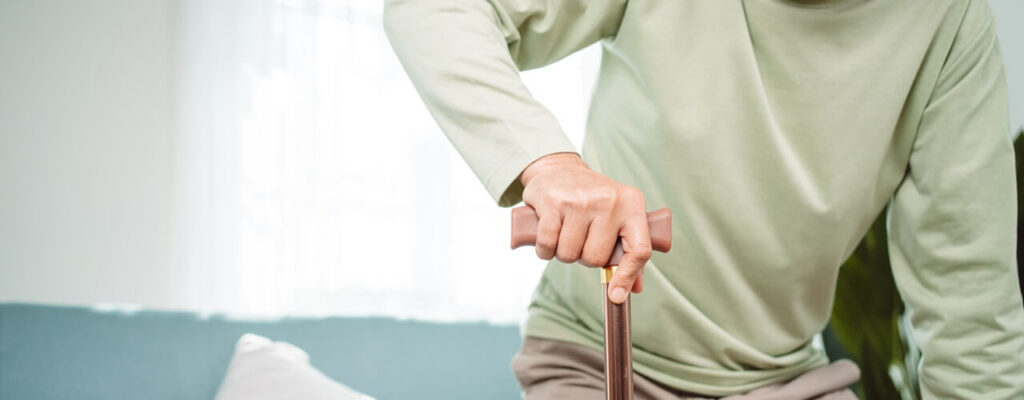
Through hard work and dedication, Mr. G progressed from relying on a walker to using a cane and ultimately regained the ability to walk independently
Now it’s your time to shine. Call us today to start your journey to independence with balance training and more at Unified Rehabilitation.