

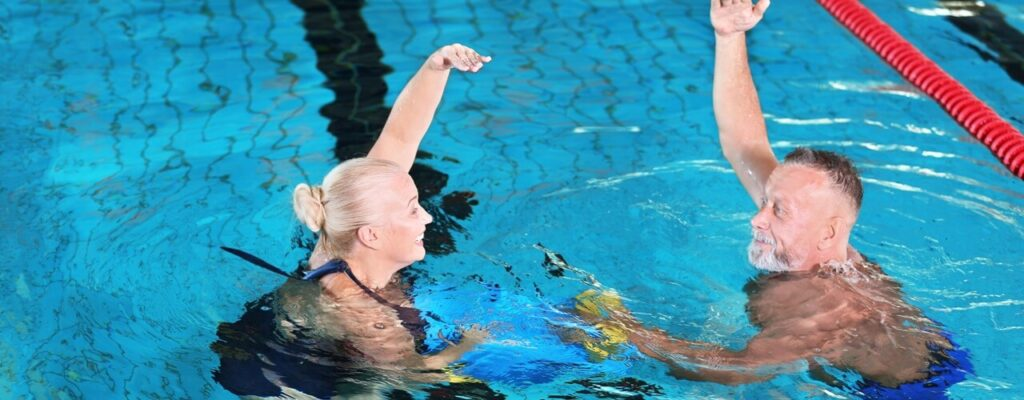
Have you or a loved one recently suffered a stroke? This major medical emergency can have intense ramifications, affecting everything from how you move to how you think. Rehabilitation afterward is crucial in improving and maintaining quality of life. At Unified Rehabilitation, we blend stroke rehabilitation with aquatic therapy to ensure improved outcomes!
Physical therapists are an important part of any stroke survivor’s care team. Stroke can severely impact your motor function, including walking ability. Targeted exercise can help improve your mobility so you can do the things that are important to you.
So, where does aquatic therapy come in? Well, aquatic therapy is similar to physical therapy–except it takes place in the water, where water’s unique properties can relieve joint pressure and help you stay balanced.
If you’d like more information about how we combine stroke rehabilitation with aquatic therapy, keep reading! You can also call our (town) clinic if you have any specific questions.
Why is Rehabilitation Necessary After a Stroke?
Although strokes affect everyone differently, there are several common after-effects that survivors will need to manage, such as the following:
- Paralysis or weakness in one side of the body
- Limited mobility in the limbs
- Balance difficulties
- Numbness and lack of sensation
- Cognitive issues, including memory loss and confusion
- Speech and swallowing difficulties
Addressing these after-effects is crucial in ensuring a high quality of life after a stroke, but it can be challenging. Patients need to start slow and take extra care so that they don’t accidentally hurt themselves.
Why Use Aquatic Therapy in Stroke Rehabilitation?
Fortunately, aquatic therapy offers several benefits that make it ideal for addressing the aftermath of a stroke. Exercising in the water is very different from exercising on land, and it can be an ideal environment for stroke survivors. Here’s why:
- Water’s buoyancy offers additional support. The risks from a fall are eliminated when you’re in the water (since you can not fall in the water), making it easier for stroke survivors to walk and move without fear of injury.
- At the same time, water makes your muscles work harder. While water improves balance, it also exerts extra force on your muscles, forcing them to work harder to complete simple movements. This means you can strengthen impaired muscles with less effort.
- Exercising in the water eases pain. The same property that helps you stay upright in the water also eliminates pressure on your joints. As many stroke survivors are older and may struggle with additional conditions (like arthritis), this is crucial!
- Aquatic therapy helps improve cardiorespiratory fitness. Exercising in the water improves breathing and respiration skills, as your lungs have to work to expand with the pressure from water. That, combined with increased breathing from exercise, can actually help improve the speech difficulties brought on by stroke.
By blending stroke rehabilitation with aquatic therapy, the Unified Rehabilitation physical therapists can help you or your loved one thrive! Request an appointment today to learn if our approach is right for you.